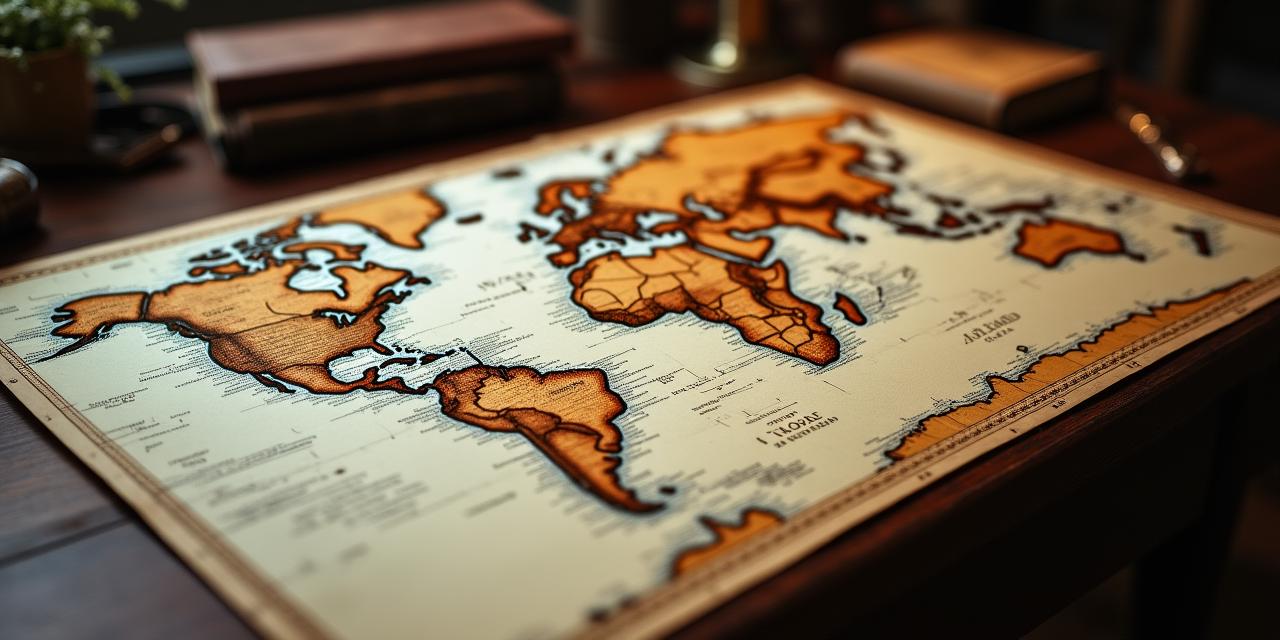
There is a singular magic in the tactile sensation of centuries-old rag paper. To hold an antique map is to hold the literal world-view of a long-gone era—a snapshot of human discovery, political shift, and artistic endeavor. For the novice collector, this journey is not merely about acquisition; it is about stewardship of historical geography.
Understanding Provenance
In the world of rare cartography, the story of the map is as vital as the ink upon it. Provenance refers to the chronological record of ownership. Knowing that a map once belonged to a notable scholar, a Royal collection, or a specialized library adds layers of historical context and intrinsic value. At Terramap Tome, we verify the lineage of our pieces to ensure both authenticity and a clear historical narrative.
Condition vs. Rarity
The eternal struggle of the collector is balancing the map's state against its scarcity. A rare woodblock print from the 15th century may be highly desirable despite significant foxing or trimmed margins. Conversely, more common 19th-century steel engravings are often expected to be in near-pristine condition. Look for "original color"—palettes applied by hand shortly after printing—which significantly enhances the aesthetic and investment value.