Why Limited Edition Books Are a Timeless Investment
Exploring the intersection of literary heritage and tangible asset growth.
Introduction: The Shift Towards Tangible Assets
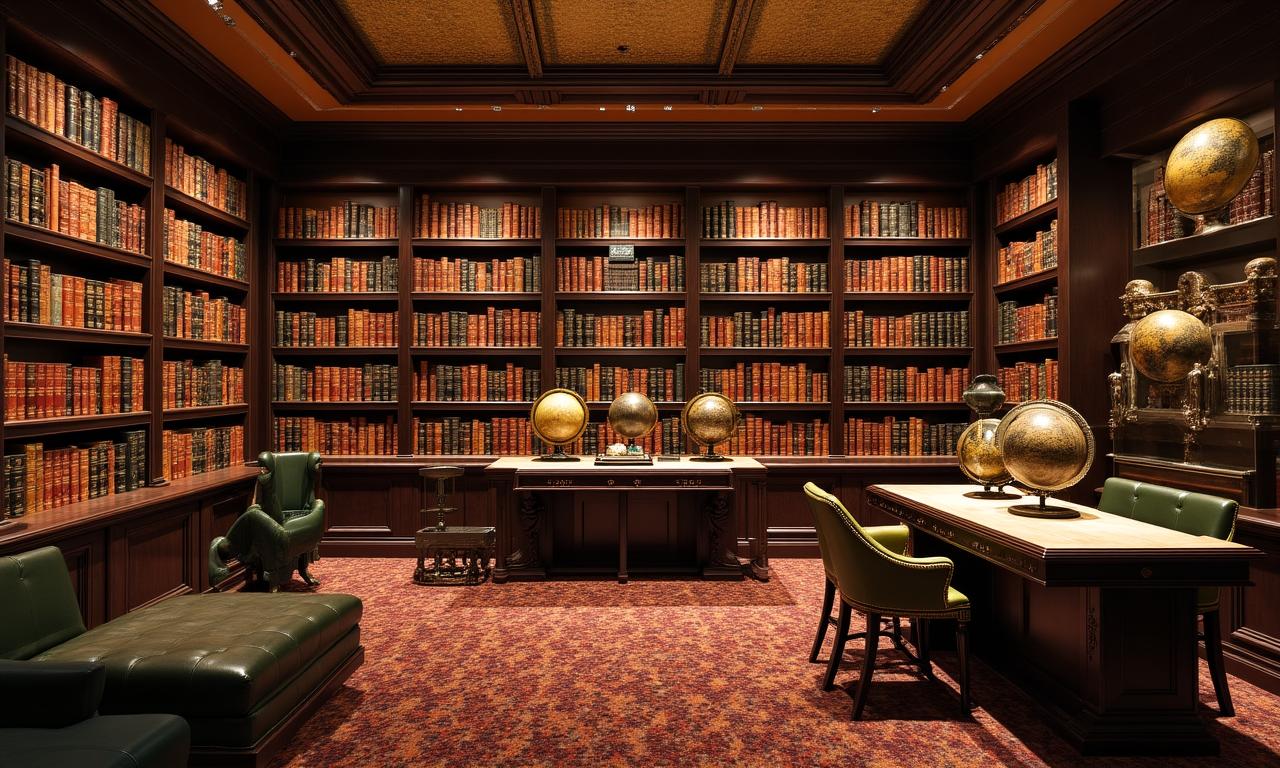
In an increasingly digital age, the allure of the physical object has undergone a profound renaissance. Discerning collectors are looking beyond traditional stocks and bonds toward "literary heritage"—tangible assets that carry both historical weight and aesthetic brilliance. At Terramap Tome, we believe a book is not just a vessel for text, but a cornerstone of a personal legacy.
What Makes it 'Limited'?
A true limited edition is defined by its scarcity and the meticulous craftsmanship involved in its production. We categorize these rare finds through several distinguishing factors:
- Numbered Runs: Distinct production sequences that ensure no further copies will be printed.
- Artist Proofs: Rare iterations often featuring original illustrations or early-state plates.
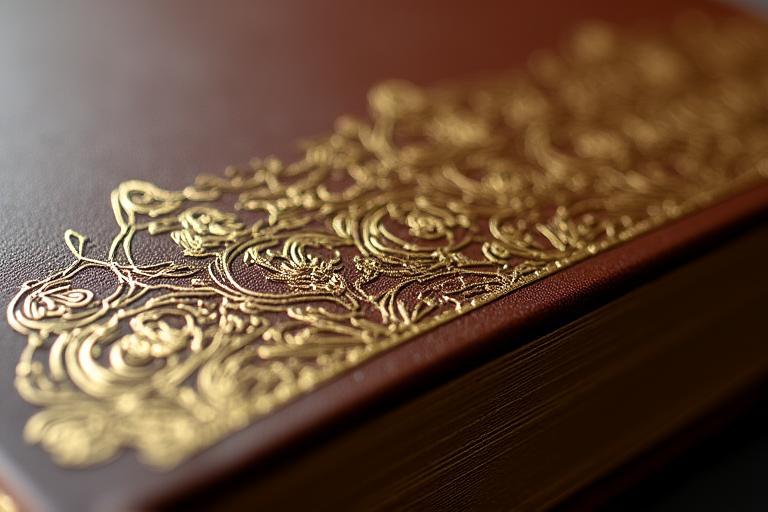
- Particular Bindings: Hand-tooled leather, vellum, or silk covers often adorned with gold leaf.
Market Trends: Appreciation Over Time
Financial experts have noted that high-quality, rare editions often appreciate at rates that rival traditional investment vehicles. As the number of surviving copies from a limited run decreases, the market value naturally climbs. In the last decade, fine-press books and signed first editions have seen a significant uptick in demand at international auctions.
Aesthetic Value: The Joy of the Heirloom
Beyond the spreadsheets and market analytics, there is the undeniable sensory joy of ownership. The scent of aged paper, the tactile weight of heavy-stock vellum, and the visual grandeur of bespoke typography. A limited edition book isn't just stored; it is displayed as a work of art that elevates the atmosphere of any room.
Secure Your Legacy
Whether you are starting a collection or expanding an existing library, our experts can guide you toward pieces with high cultural and financial potential.